

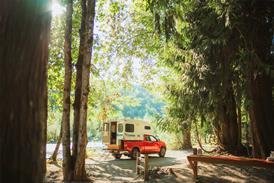
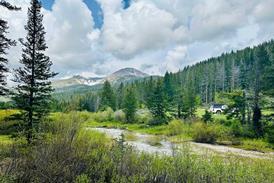
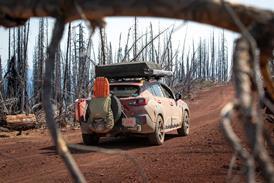




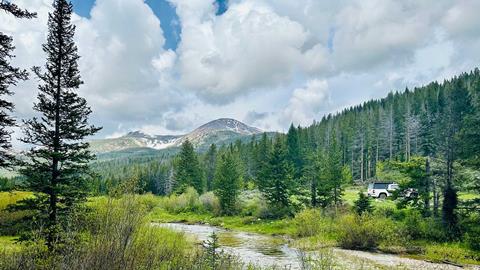
The Pioneer Mountains Scenic Byway connects Bannack State Park to Granite Ghost Town through wild mountain country, legendary small towns, and landscapes that have defined the American West for more than 150 years. This is Montana at its most honest — and its most unforgettable.
Montana’s Ghost Town Passage
There are routes that get you from point A to point B, and then there are roads that tell the story of a place.
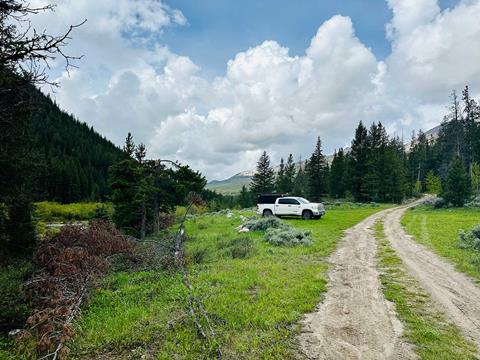
A Southwest Montana Road Trip Unlike Any Other
This southwest Montana road trip follows the Pioneer Mountains Scenic Byway from Bannack State Park to Granite Ghost Town State Park, weaving together Montana’s gold rush beginnings, spectacular mountain scenery, and the enduring communities that continue to define the American West.
Southwest Montana’s journey from Dillon to Granite Ghost Town State Park isn’t measured in miles. It’s measured in centuries.
Gold rushes, silver booms, frontier outlaws, mountain passes, timber camps, ranching traditions, and the resilient communities that still thrive among them all come together on one of the most rewarding drives in the Northern Rockies.
Beginning in Dillon and ending in the shadows of a forgotten silver empire above Philipsburg, this route traces some of Montana’s most significant historical landscapes while delivering the kind of scenery that reminds travelers why the Treasure State earned its nickname.
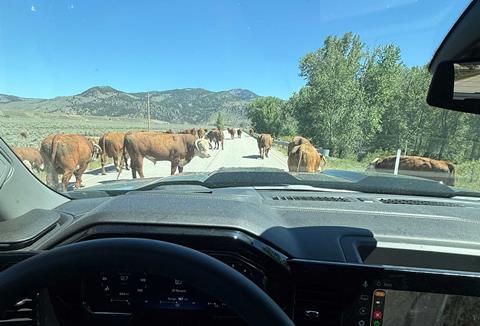
For overlanders, outdoorsmen, adventurers, and anyone who appreciates a road with a story, this drive is Montana at its finest.
Where Montana Began: Bannack State Park
Just west of Dillon sits one of the most important places in Montana history: Bannack State Park. Today, visitors wander among weathered storefronts and wooden sidewalks, but in 1862 this was the epicenter of a gold rush that changed the American West.
Bannack was the site of Montana’s first major gold discovery and would later become the territory’s first capital. Within a year of the strike, more than 3,000 people called the boomtown home.
Unlike many historic sites that have been reconstructed over time, Bannack feels remarkably authentic. More than fifty original buildings still line the dusty streets, offering a glimpse into frontier life that few places in the West can match.
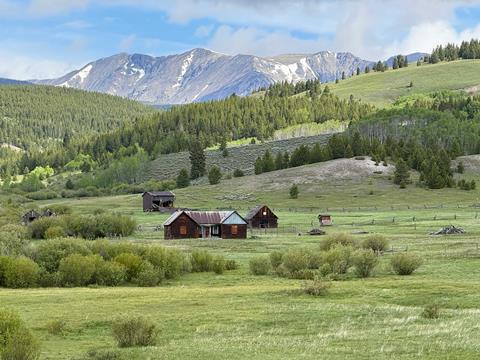
Standing among the abandoned homes, hotels, and businesses, it’s easy to imagine prospectors arriving with dreams of striking it rich while wagons rolled through the valley carrying supplies into the unknown.
From Bannack State Park, the road begins climbing toward the Pioneer Mountains and some of Montana’s most spectacular scenery.
The Pioneer Mountains Scenic Byway: Montana’s Hidden Masterpiece
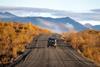
Leaving Bannack behind, the route joins the Pioneer Mountains Scenic Byway, a winding corridor that slices through the Beaverhead-Deerlodge National Forest and some of the wildest country in the state.
The road travels through lodgepole forests, open meadows, alpine basins, and high mountain passes where views stretch for dozens of miles across the Continental Divide landscape.
What makes this route exceptional isn’t a single viewpoint or attraction. It’s the constant transition between ecosystems and elevations.
One moment you’re cruising through broad valleys where elk and mule deer graze. Minutes later, the road climbs into dense timber before opening to expansive mountain panoramas.
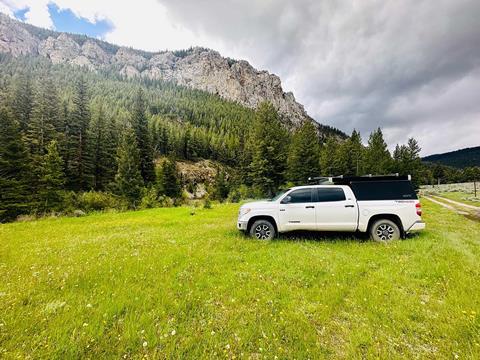
This landscape reveals the layers of people who shaped it. Long before recreation brought visitors here, miners, loggers, ranchers, and Indigenous peoples traveled these valleys in search of opportunity and survival.
The road follows many of the same corridors that connected remote mining districts throughout the late nineteenth century.
Even today, much of the region feels untouched. Cell service fades. Traffic disappears. The mountains take over.
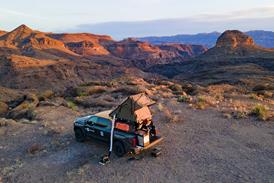
For overlanders, the Pioneer Mountains Scenic Byway offers one of the Northern Rockies’ most rewarding and least-traveled routes, where mountain scenery, public lands, and frontier history combine into an unforgettable drive.
Beyond the road itself, the Pioneer Mountains hold countless opportunities for exploration. Hidden throughout the range are alpine lakes, cold mountain streams, and winding rivers that provide endless options for fishing, hiking, wildlife viewing, and simply escaping into Montana’s backcountry.
Some are well-known destinations, while others remain treasured local spots passed down through generations.
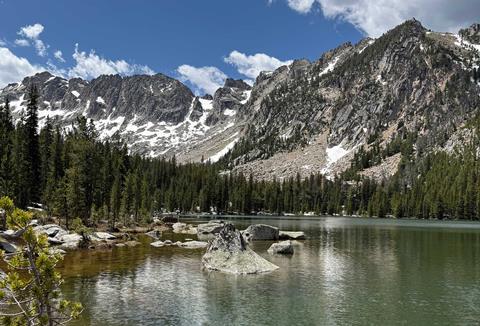
As outdoor recreation continues to grow, many Montanans have become increasingly protective of the places they love. As a writer, I share that sensitivity.
Not every lake, trail, or fishing hole needs to be pinned on a map or broadcast to thousands of people online. The locations highlighted in this story were shared with permission because they are established destinations prepared to welcome visitors.
Beyond those stops, one of the greatest joys of traveling through this region is discovering your own special place—and keeping a little bit of Montana’s magic to yourself.
Wise River, Montana: A Legendary Stop on the Byway
Eventually the road drops into the small community of Wise River, a town that perfectly embodies the character of rural Montana.
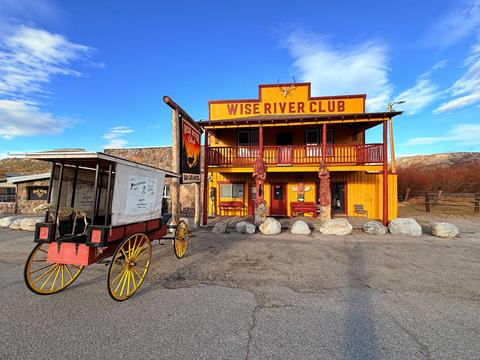
At its center stands the legendary Wise River Club. Part bar, part restaurant, part community gathering place, the Wise River Club has served travelers, hunters, anglers, ranchers, and locals for generations.
Like many historic establishments throughout the West, its walls contain stories that stretch far beyond what’s written in history books.
Today the property is owned by Tim Montana, the Montana-born musician known for blending country, rock, and blue-collar storytelling into a sound that reflects the region itself.
While Tim Montana has built a national music career, he remains deeply connected to the state’s outdoor culture.
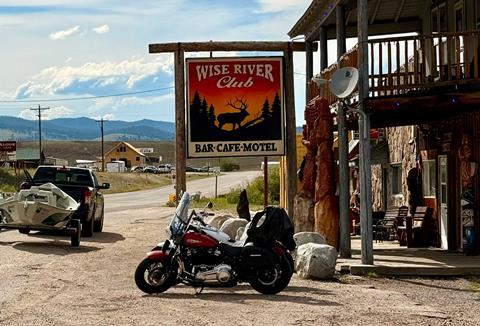
Over the years he has collaborated with hunting, outdoor, and off-road brands while becoming a familiar face within the broader outdoor industry community.
That connection makes the Wise River Club feel less like a business acquisition and more like stewardship. The building remains a gathering place where visitors can experience the authentic Montana culture that exists beyond the state’s better-known destinations.
Pull up a chair, order a meal, and listen carefully. The best stories in Montana are rarely found in guidebooks.
Plan Your Drive
- Start: Dillon, Montana
- End: Granite Ghost Town State Park
- Route: Pioneer Mountains Scenic Byway (MT-73)
- Distance: Approximately 145 miles
- Best Time to Visit: Late spring through early fall
- Vehicle: Passenger cars are suitable; high-clearance vehicles recommended for exploring side roads.
- Highlights: Bannack State Park, Wise River Club, Mount Haggin Vista Point, Georgetown Lake, Philipsburg, Granite Ghost Town State Park
Mount Haggin Vista Point: Wildlife, Views, and Open Sky
North of Wise River, the road climbs once again toward the spectacular Mount Haggin Vista Point.
Few viewpoints capture the scale of southwest Montana quite like this one. From the overlook, vast mountain ranges unfold in every direction. The valleys below reveal the routes carved by glaciers, rivers, wildlife migrations, and generations of travelers. On a clear day, the view seems endless.
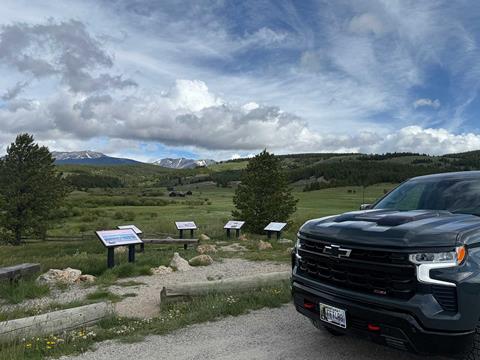
The area surrounding Mount Haggin is also one of Montana’s premier wildlife landscapes. Elk, moose, black bears, and countless bird species inhabit the surrounding forests and meadows.
The region demonstrates why public lands remain central to Montana’s identity—not simply as recreation destinations, but as working ecosystems that support wildlife and local communities.
For photographers, this is one of those places where a quick roadside stop often turns into an hour.
Georgetown Lake and Anaconda: Montana’s Industrial Past Meets Mountain Beauty
Continuing north, the route reaches Anaconda, Montana, and Georgetown Lake, Montana. The contrast is striking.
Anaconda’s history is tied to Montana’s industrial mining era, when copper from nearby Butte helped electrify America. The town remains one of the state’s most significant historic communities and serves as a reminder of how deeply natural resources shaped the region.
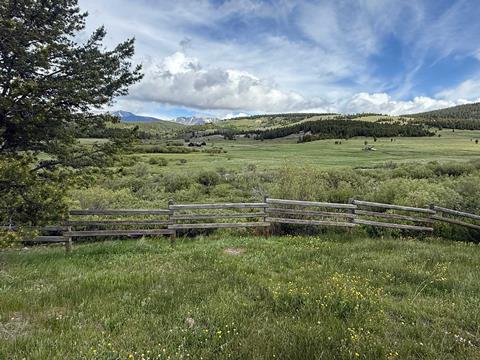
Just a short drive away, Georgetown Lake offers a completely different experience. Surrounded by mountain peaks, the lake has become a favorite destination for fishing, paddling, camping, and simply taking in the view. Snow-capped summits often linger well into summer, creating postcard-worthy reflections across the water.
For road trippers, it’s the perfect place to slow down before continuing toward Philipsburg.
Philipsburg: Montana’s Best Small-Town Surprise
If Bannack represents Montana’s gold rush and Granite tells the story of silver, Philipsburg sits comfortably between them as a living example of a historic mining town that reinvented itself. Few communities have preserved their heritage while embracing modern tourism as successfully as Philipsburg.
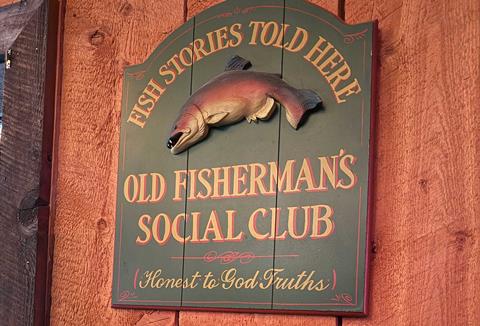
Start with the Granite County Museum, where exhibits bring the region’s mining, ranching, and frontier history to life. The museum provides valuable context for everything travelers have experienced along the route and prepares them for the final stop ahead.
Next comes a local institution: The Sweet Palace. Known throughout Montana and beyond, the candy store occupies a historic building and offers an overwhelming selection of sweets that delights visitors of every age. Walking through the doors feels like stepping into a nostalgic version of Main Street America.
For those looking to sample Montana’s modern craft beverage scene, a stop at Philipsburg Brewing Company is practically mandatory. The brewery has become a cornerstone of the town’s revitalization and a gathering place for locals and travelers alike.
Taken together, these stops highlight what makes Philipsburg special: history isn’t preserved behind glass. It’s woven into everyday life.
The Final Climb: Granite Ghost Town State Park
Just outside Philipsburg, the road makes one final ascent into the mountains. The destination is Granite Ghost Town State Park, one of the most fascinating reminders of Montana’s boom-and-bust mining era.
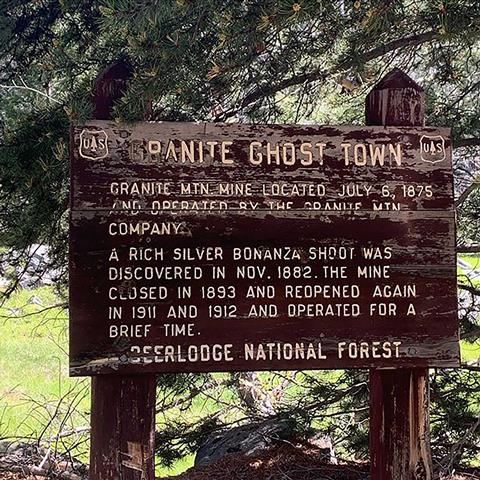
Few Montana ghost towns are as dramatically situated—or as well preserved—as Granite. In the late nineteenth century, Granite was among the richest silver mining camps in the world.
At its peak, more than 3,000 residents lived here, supported by what was considered one of the most productive silver mines on Earth.
A famous local story recounts how the mine’s greatest discovery occurred after a delayed telegram prevented operations from shutting down before a final blast revealed an extraordinary silver deposit. The prosperity didn’t last.
When silver prices collapsed in 1893, Granite’s fortunes vanished almost overnight. The once-thriving community was largely abandoned, becoming a symbol of the volatility that defined many Western mining towns.
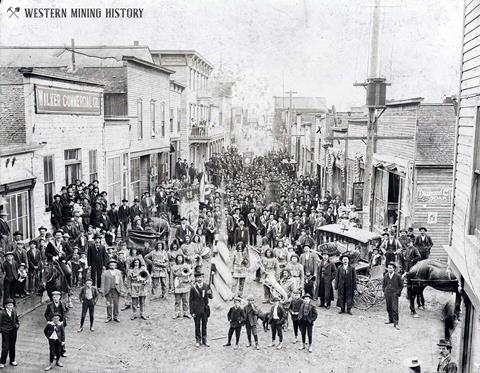
Today, visitors can explore remnants of the town, including the superintendent’s house and the haunting ruins of the Miners’ Union Hall. The steep road into Granite gains more than 1,200 feet in elevation, rewarding travelers with panoramic views and an unforgettable sense of place.
Standing among the ruins, it’s impossible not to reflect on the people who built lives here, believing the boom would last forever.
Why the Pioneer Mountains Scenic Byway Belongs on Every Overlander’s List
What makes this drive remarkable isn’t simply the scenery. It’s the continuity.
From Bannack’s gold rush beginnings to Granite’s silver-fueled rise and fall, nearly every mile tells part of Montana’s story. Along the way, travelers gain access to rivers, alpine lakes, public lands, historic communities, and mountain landscapes that continue to define the American West.
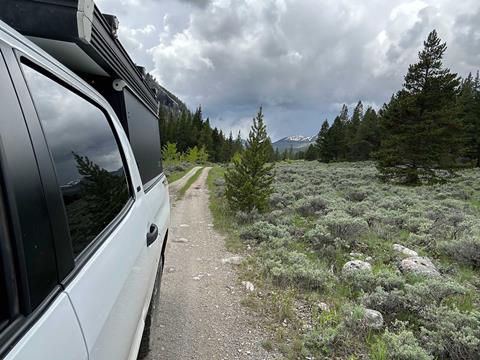
Whether you’re carrying a fly rod, loading camping gear, exploring by 4x4, or simply enjoying a leisurely drive, the Pioneer Mountains Scenic Byway offers one of the most complete travel experiences in the Northern Rockies.
It blends frontier history, outdoor recreation, and authentic small-town culture into a route that rewards curiosity at every turn.
In an era when many destinations feel increasingly crowded and curated, this corner of Montana still feels genuine. The Pioneer Mountains Scenic Byway encourages travelers to stop often, talk to locals, support small businesses, and appreciate the landscapes that make southwest Montana unlike anywhere else.
As visitation continues to grow, responsible travel matters more than ever. Respect private property, practice Leave No Trace principles, and remember that some of the best experiences aren’t found through GPS coordinates or social media posts.
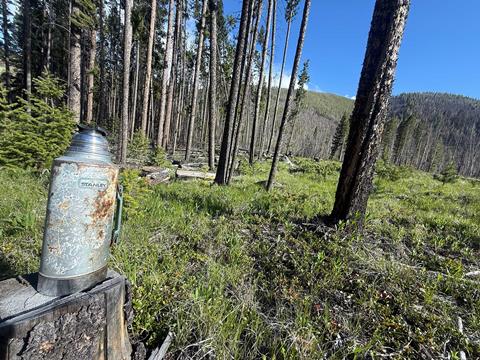
The destinations featured here are places that local communities, historians, land managers, and business owners actively encourage visitors to experience. Beyond them lies an endless network of lakes, rivers, trails, and backroads waiting to be discovered.
And that’s perhaps the greatest gift of this route. It doesn’t just tell Montana’s story—it invites you to become part of it.
In Montana, the long way is usually the best way.
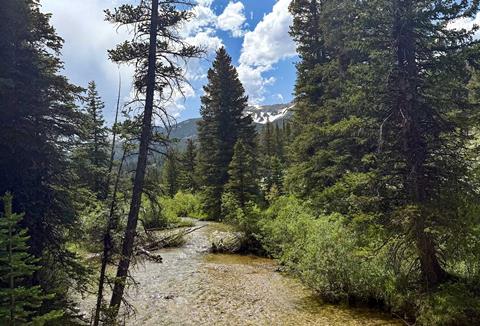
For more information for planning your own trip to Montana, visit the Official Montana State visitor’s website at: https://visitmt.com/
Access More Great Stories!
This article originally appeared in OVR Issue 22. For more informative articles like this, consider subscribing to OVR Magazine in print or digital versions here. You can also find the print edition of OVR at your local newsstand by using our Magazine Finder.




No comments yet